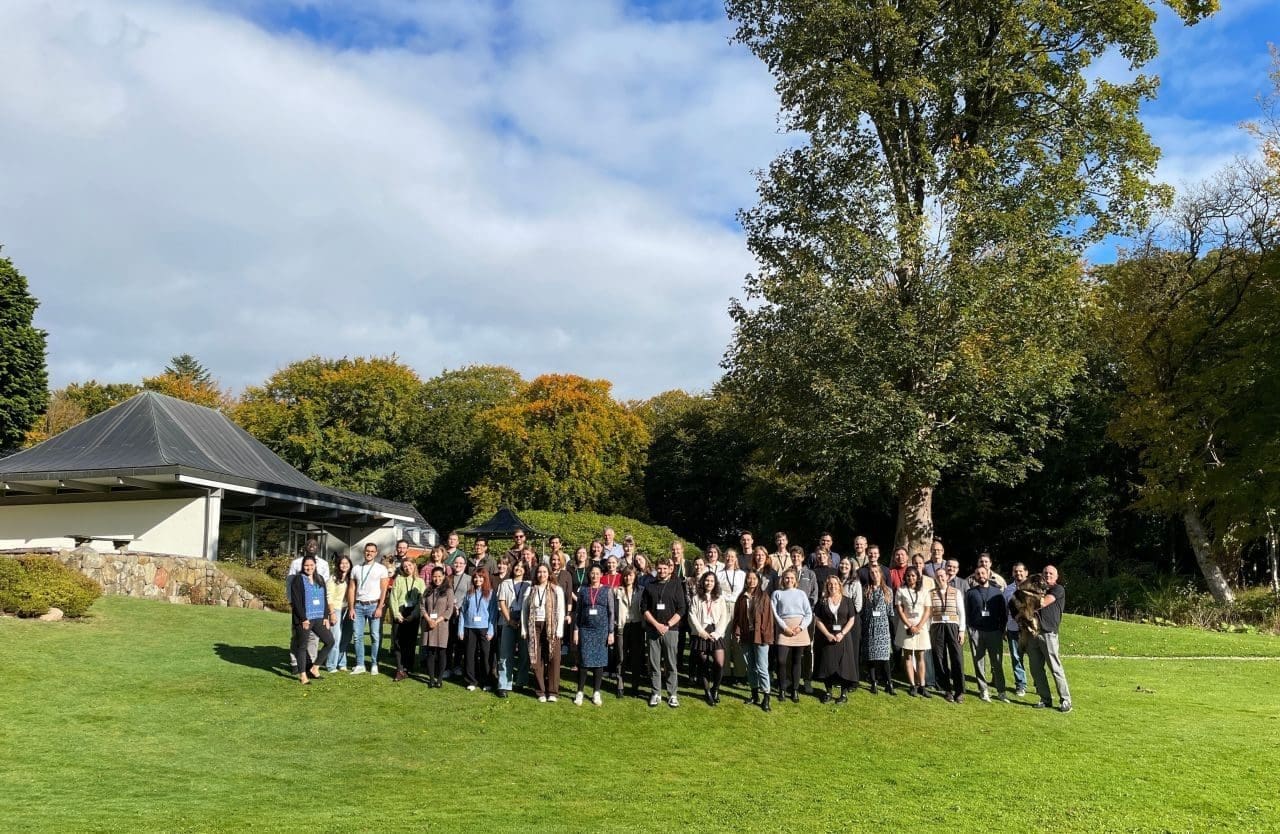
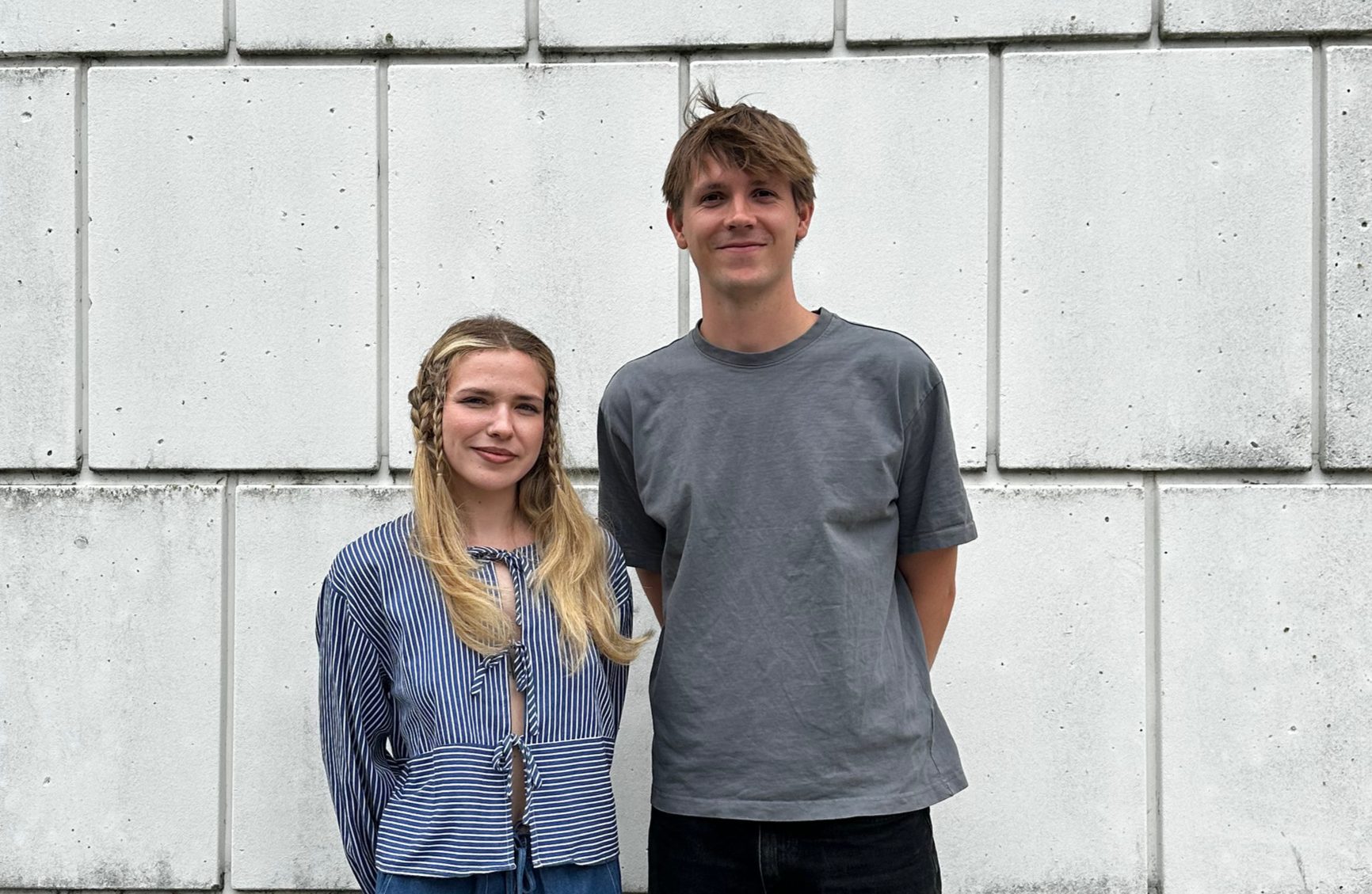
Danish Diabetes and Endocrine Academy (DDEA) is allocating DKK 36.8 million in 39 new research projects, including 17 PhD scholarships, 15 postdoctoral fellowships and 7 visiting researcher grants in diabetes, metabolism and hormonal health. Across this year’s projects, several early-career researchers are leading DDEA-funded projects as principal investigators, bringing fresh perspectives into the endocrine research community.
Securing the next generation of research leaders is vital because they bring new scientific questions, fresh methods and long-term continuity to a field tackling increasingly complex endocrine disorders. One of those stepping forward is Anne Marie Ellegaard.
For Anne Marie Ellegaard, Senior Scientist and Group Leader at Gentofte Hospital, she clearly remembers the moment her role shifted from contributing researcher to emerging leader. When the professor who had guided the centre for decades left, the responsibility shifted to a younger group.
“That moment allowed me to establish my own research group and take on responsibility for collaborations, students and projects within my field,” she says.
Ellegaard will now lead a DDEA-funded postdoctoral collaboration with the University of Cambridge to improve diagnostics and treatments for hormonal and metabolic disturbances such as bile acid diarrhoea.
“I hope the students I work with feel the same excitement for clinical research that drives me,” she says.
Clinical Needs and Young Talent as Leadership Guiding Marks
For many of these emerging research leaders, two priorities stand out: meeting genuine clinical needs and creating the space for young scientists to thrive.
At Aalborg University, Associate Professor Stine Hangaard will lead a DDEA-funded postdoctoral project aimed at transforming diabetes care through a digitally supported education programme co-designed with people with diabetes.
“Leading my own research allows me to focus on genuine clinical needs,” Hangaard says. “I want to create an environment where younger colleagues have the space and trust to grow.”
At the University of Copenhagen, Associate Professor Benjamin Jensen will head a translational PhD project on how gut barrier biology influences metabolic and cognitive health.
“I want my research leadership to be a safe harbour for bold ideas that challenge established thinking,” Jensen says. “My aim is to empower young scientists to turn discoveries into real benefits for people with chronic conditions.”
From DDA Postdoc to DDEA PI
At Aarhus University Hospital and Steno Diabetes Center Aarhus, Associate Professor and Consultant Ulla Kampmann Opstrup will lead two DDEA-funded projects on women’s metabolic and reproductive health, including collaborations with Harvard Medical School and Arla Foods Ingredients.
Opstrup also received a postdoctoral grant when DDEA was known as the Danish Diabetes Academy, support she considers pivotal for her career.
“The flexibility to combine research with clinical work – and the leadership training, symposia and international network the Academy gave me – was invaluable,” she says. “I doubt I would have made a research career without that support. Postdoctoral grants, research education and international collaborations are essential for young researchers, especially clinicians.”
DDEA: Strengthening Research Talent and Collaboration
According to Troels Krarup Hansen, Chair of DDEA’s Board of Directors, this new cohort represents the direction the academy aims for:
“These grant holders combine scientific ambition with clinical relevance and a commitment to the next generation. This is the kind of research leadership we aim to nurture in the DDEA community.”
This year’s portfolio spans the breadth of modern endocrine science from classical areas such as osteoporosis and hereditary endocrine tumours to work that pushes our understanding of type 2 diabetes by identifying patient groups outside traditional diagnostic categories and linking early retinal changes with long-term eye and kidney complications. The grants also reflect strong international ties, with collaborations stretching from Berlin and Montreal to Cambridge, Hong Kong, Bergen, Exeter and Paris.
Total funding: DKK 36.8 million for 17 PhD Scholarships, 15 Postdoctoral Fellowships, and 7 Visiting Researcher grants, plus DKK 700.000 in travel grants.
Researchers: A group of 28 women and 11 men, representing a wide distribution across institutions in Denmark and including scientists from around the world.
Danish Diabetes and Endocrine Academy supports early-career researchers within the fields of diabetes and hormone-related diseases through grants, education and networking activities.
DDEA is funded by the Novo Nordisk Foundation 2023 – 2027.
Contact Information
Chairperson of DDEA Board of Directors Troels Krarup Hansen
Odense University Hospital
Kløvervænget 6
Entrance 93, 8th floor
DK-5000 Odense C
+45 2964 6764
ouh.ddea@rsyd.dk
We use cookies on our website to give you the most relevant experience by remembering your preferences and repeat visits. By clicking “Accept all”, you consent to the use of all cookies. However you may visit Cookie Settings to provide a controlled consent. Cookie settings
This website uses cookies to improve your experience while you navigate through the website. Out of these cookies, the cookies that are categorized as necessary are stored on your browser as they are essential for the working of basic functionalities of the website. We also use third-party cookies that help us analyze and understand how you use this website. These cookies will be stored in your browser only with your consent. You also have the option to opt-out of these cookies. But opting out of some of these cookies may have an effect on your browsing experience.
Necessary cookies are absolutely essential for the website to function properly. These cookies ensure basic functionalities and security features of the website, anonymously.
Cookie
Duration
Description
cookielawinfo-checkbox-analytics
11 months
This cookie is set by GDPR Cookie Consent plugin. The cookie is used to store the user consent for the cookies in the category "Analytics".
cookielawinfo-checkbox-analytics
11 months
This cookie is set by GDPR Cookie Consent plugin. The cookie is used to store the user consent for the cookies in the category "Analytics".
cookielawinfo-checkbox-functional
11 months
The cookie is set by GDPR cookie consent to record the user consent for the cookies in the category "Functional".
cookielawinfo-checkbox-necessary
11 months
This cookie is set by GDPR Cookie Consent plugin. The cookies is used to store the user consent for the cookies in the category "Necessary".
cookielawinfo-checkbox-others
11 months
This cookie is set by GDPR Cookie Consent plugin. The cookie is used to store the user consent for the cookies in the category "Other.
cookielawinfo-checkbox-performance
11 months
This cookie is set by GDPR Cookie Consent plugin. The cookie is used to store the user consent for the cookies in the category "Performance".
viewed_cookie_policy
11 months
The cookie is set by the GDPR Cookie Consent plugin and is used to store whether or not user has consented to the use of cookies. It does not store any personal data.
Functional cookies help to perform certain functionalities like sharing the content of the website on social media platforms, collect feedbacks, and other third-party features.
Performance cookies are used to understand and analyze the key performance indexes of the website which helps in delivering a better user experience for the visitors.
Analytical cookies are used to understand how visitors interact with the website. These cookies help provide information on metrics the number of visitors, bounce rate, traffic source, etc.
Advertisement cookies are used to provide visitors with relevant ads and marketing campaigns. These cookies track visitors across websites and collect information to provide customized ads.