
DKK 149.8 million for new research academy
NEXUS Research Academy will strengthen researchers in the post-PhD career stage and collaboration across the cardiometabolic research field....
Posted on October 1, 2026

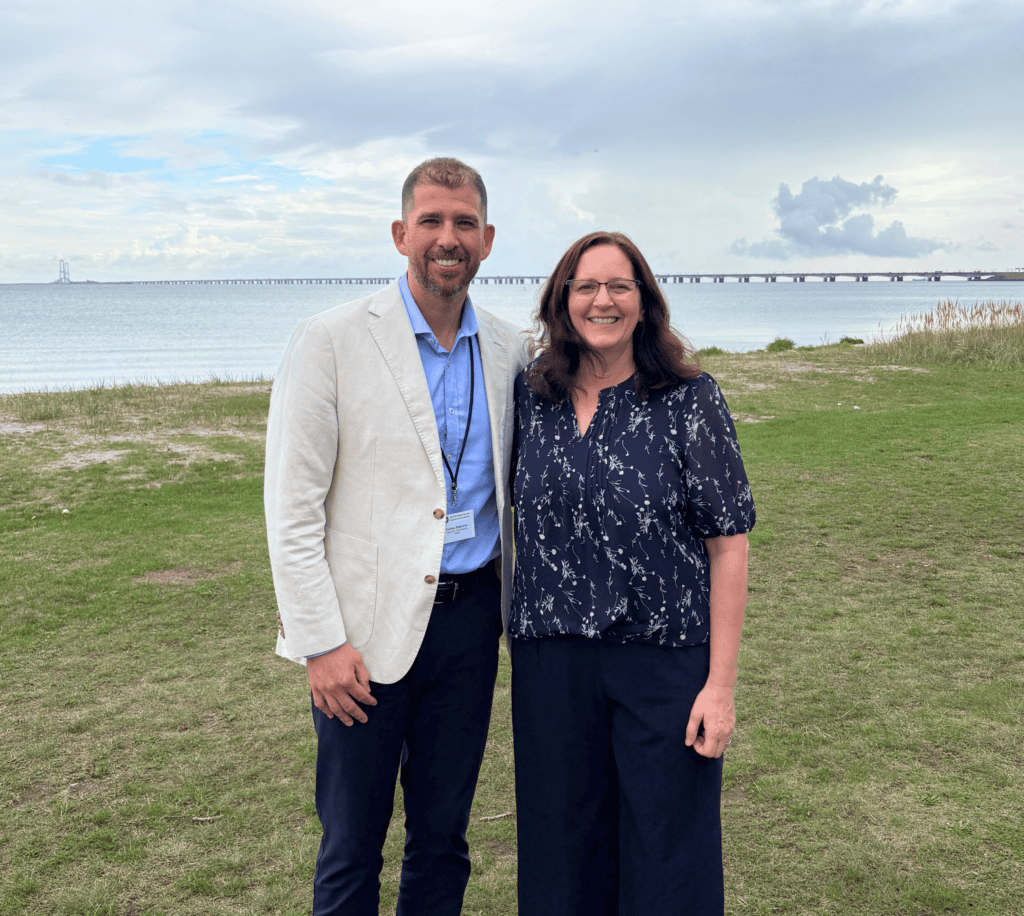
Things rarely go exactly as planned in research. Just ask Professor Carlos Salomon and Associate Professor Lynne Chepulis.
Carlos left Chile for what was supposed to be a ten-month research stay as part of his PhD in Australia, but ended up staying and building both his career and family life there. Lynne originally wanted to study medicine, but due to a number of other commitments never had the opportunity to apply. Instead, she found herself working in medical writing and the food industry before pursuing a PhD and moving into clinical research programmes.
At DDEA’s Start-up Meeting for newly funded PhD students and postdocs, Carlos and Lynne shared their personal experiences.
Here are five pieces of advice they wish they had known when starting their own research careers.
Carlos encourages you to think about where you want to be in five or ten years. Having a clear goal makes it easier to recognise which opportunities will help you get there and which may be distractions. At the same time, it’s important not to stick rigidly to a plan, as unexpected opportunities can sometimes open better paths than the one you first imagined.
“If I had to give you advice about your career, it would be to stay flexible. We are all scientists, so we’re driven by data, but we’re also driven by opportunities. Sometimes the most rewarding direction is one you never planned for, so be open to new collaborations, new techniques and even new fields when the chance comes along,” says Professor Carlos Salomon from the University of Queensland.
Lynne also encourages you to focus on the skills and relationships you build along the way. Her own career took an unexpected turn when her work exploring the biomedical activities of mānuka honey led her to shift away from the food industry and return to academia to pursue a clinically oriented programme of chronic disease research.
“It’s about building the skills, forming the relationships, the collaborations, the network, and putting yourself on that ladder. Sometimes it takes a while to even realise what opportunities are out there,” says Associate Professor Lynne Chepulis from the University of Waikato.
Thinking about approaching a well-known researcher at a conference? Carlos encourages you to go for it. Most researchers are more approachable than you might think, even if they are busy. But he also recommends being strategic about who you approach and how you start the conversation.
“When you talk with someone, always be strategic. Try to find some common ground,” says Carlos.
That common ground could be a shared research interest, complementary expertise or simply something you have in common outside work. Finding a connection makes it easier to start a conversation and potentially develop a longer-term professional relationship.
“Talking to more senior staff can sometimes take a bit of practice to build your confidence and overcome your feelings of imposter syndrome. But remember, they all started where you are now, and 99% of the time, even the busiest of professors and senior staff are very happy to talk,” says Lynne.
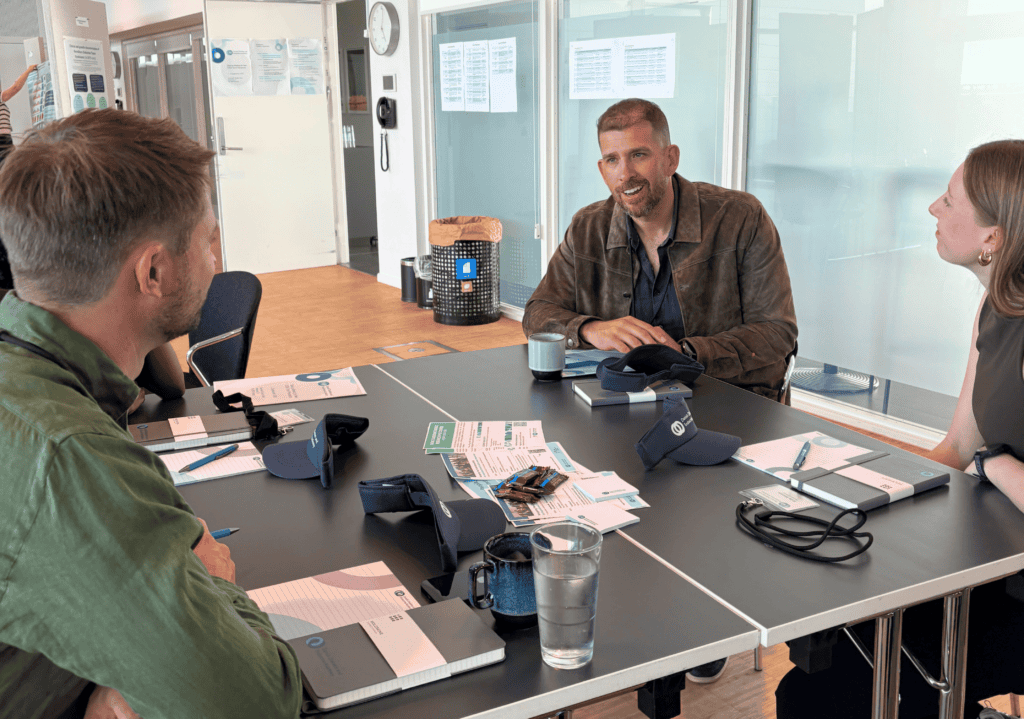
What makes a research collaboration worth pursuing? For Carlos, it’s not just about what others can contribute to your research, but also what you can offer them in return.
“Science is a team sport. We can’t do everything alone,” says Carlos.
His Danish collaborations are a good example: clinical researchers contribute patient cohorts and samples, while his team brings specialised research technologies. Neither side could achieve quite the same thing alone.
You are often encouraged to build international collaborations and expand your network beyond your own institution and country. But that can be easier when your collaborators are just a short flight or a Teams call away. From New Zealand, Lynne has a slightly different experience.
“You can do collaborations with Teams, you absolutely can, except when you have a 12-hour time difference. It becomes really challenging, because nobody wants to get up at three o’clock in the morning,” says Lynne. “However, don’t let these barriers prevent you from building connections. Make the most of face-to-face opportunities, conferences and funded travel opportunities.”
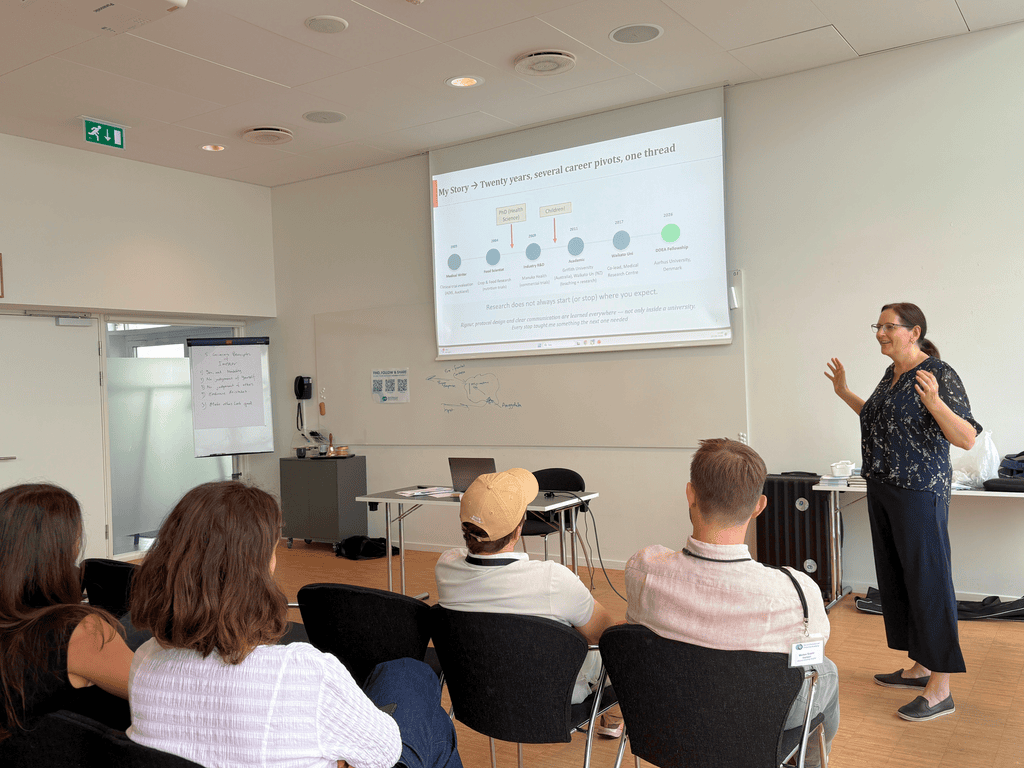
And while international collaborations can open doors, Carlos reminds researchers not to overlook the opportunities closer to home. Sometimes, the expertise you’re looking for on the other side of the world is sitting in the department next door.
Moving abroad for research can be a big decision, especially when you have a family. But Lynne encourages you not to rule it out too quickly.
When she went to Canada for a research stay, she took her children with her and arranged for them to attend school there.
“I took my kids and I still find it’s the best experience I have ever had. I wouldn’t let having a family stop you from undertaking research overseas,” says Lynne.
As Carlos puts it: “You never know what’s going to happen.”
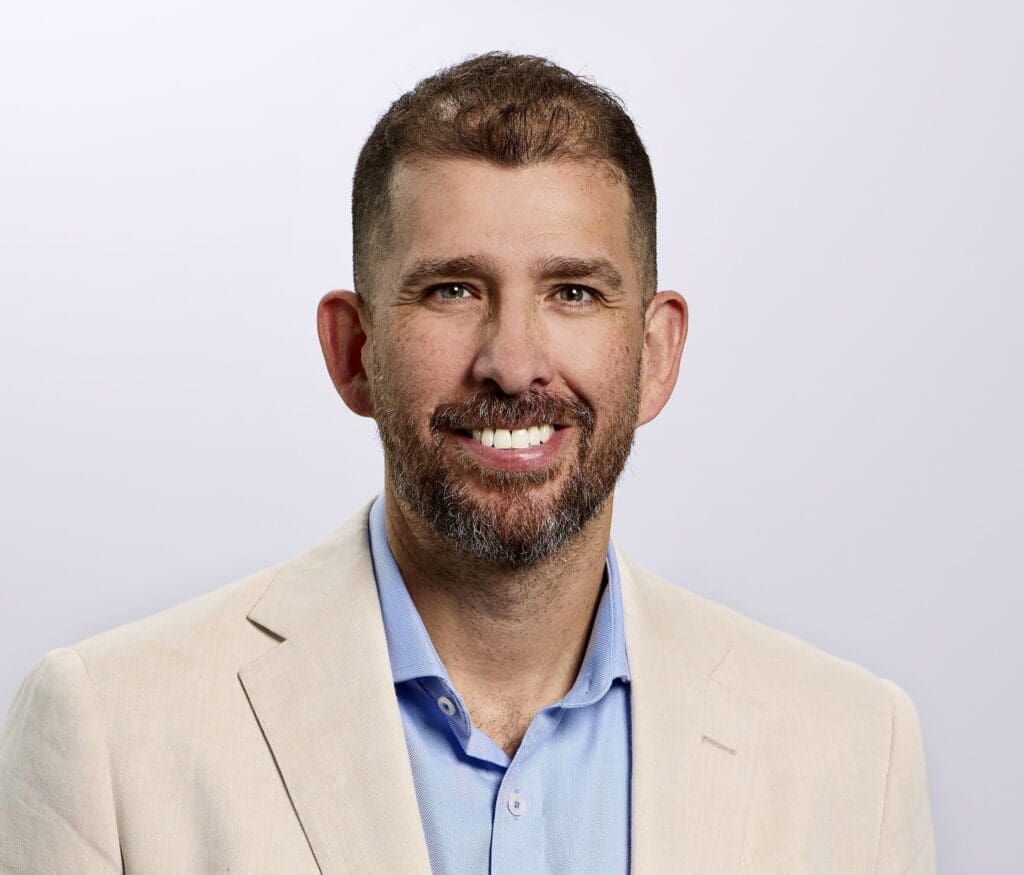
Professor Carlos Salomon is a professor at the University of Queensland, Australia, and Director of the UQ Centre for Extracellular Vesicle Nanomedicine. His research focuses on extracellular vesicles and their potential as biomarkers for the early detection of pregnancy complications and ovarian cancer.
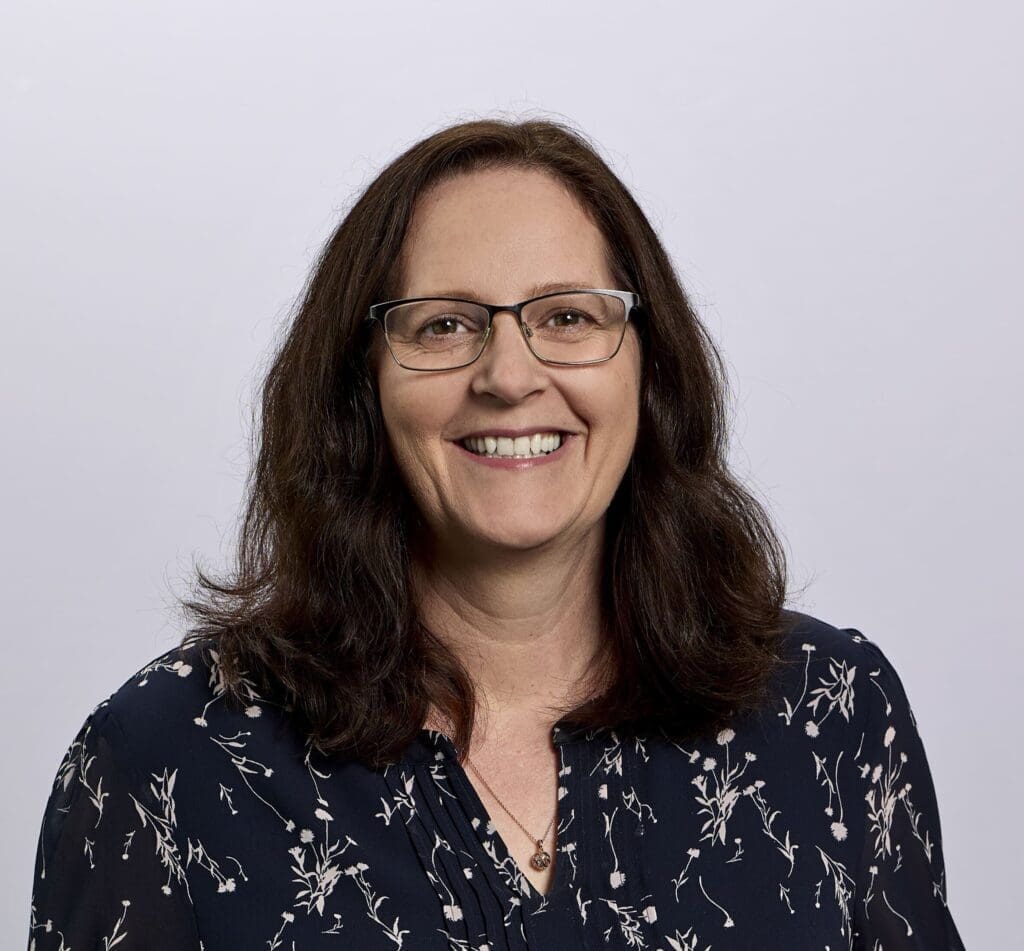
Associate Professor Lynne Chepulis is an associate professor and Associate Dean of Postgraduate Research at the University of Waikato, New Zealand. Her research focuses on diabetes and cardiovascular disease, particularly diabetes management in primary care and improving equitable access to healthcare.



EAN: 5798 0022 30642
Reference: 1025 0006
CVR: 29 19 09 09


