Home » DDEA » DKK 149.8 million for new research academy
DKK 149.8 million for new research academy
Posted on 01.10.2026
NEXUS Research Academy will strengthen researchers in the post-PhD career stage and collaboration across the cardiometabolic research field. The Novo Nordisk Foundation is supporting the five-year national initiative with DKK 149.8 million, and Aarhus University will host the academy.
The Faculty of Health at Aarhus University will host NEXUS, a national academy with a particular focus on researchers in the post-PhD career stage. Researchers will be able to apply for funding and engage in collaborations across universities, hospitals, disciplines and sectors. The initiative will also strengthen collaboration with research communities in the other Nordic countries.
NEXUS means “connection” in Latin, and the academy will connect the cardiometabolic research field across the traditional areas of endocrinology, diabetes, metabolism and cardiovascular disease.
Many patients live with multiple diseases across these areas at the same time, while research and talent development are largely organised within separate disciplines and research environments.
NEXUS aims to help change this.
“Major cardiometabolic diseases cross traditional disciplinary boundaries, and research should do the same. With NEXUS, we can bring research communities closer together and create better conditions for collaboration across the country. This is an initiative for all of Denmark, and we are very proud that the Faculty of Health will host it,” says Anne-Mette Hvas, Dean of the Faculty of Health and principal applicant for NEXUS.
In addition to its ambition to strengthen collaboration, NEXUS’s activities will be guided by four strategic priorities: an integrated research ecosystem, societal impact, prevention and health inequality. These priorities will, among other things, focus on the complexity of multiple coexisting diseases, translating research into tangible value and improving opportunities for prevention.
NEXUS will strengthen researchers after their PhD
NEXUS will particularly support researchers in the years following their PhD. They play key roles in research projects but face strong competition for both positions and research funding, while having limited opportunities to apply for research funding independently.
NEXUS will therefore both provide researchers with access to funding and strengthen their scientific and professional development through academic communities spanning the cardiometabolic field.
Around DKK 100 million of the grant from the Novo Nordisk Foundation has been allocated to postdoctoral grants, which will be distributed to research environments. The funding will support two-year postdoctoral positions as well as flexible clinical postdoctoral positions.
Courses, workshops, symposia and larger academic meetings will simultaneously strengthen the researchers’ scientific and professional skills and create new connections between, among others, basic researchers and clinical researchers in Denmark and the other Nordic countries.
“Young, talented researchers need better opportunities to develop their own ideas and establish themselves as independent researchers. At the same time, they need access to strong academic communities. This combination of research funding, talent development and cross-disciplinary collaboration is at the heart of NEXUS,” says Anne-Mette Hvas, adding:
“Ultimately, it is about creating research that can make a difference for people living with or at risk of developing cardiometabolic diseases.”
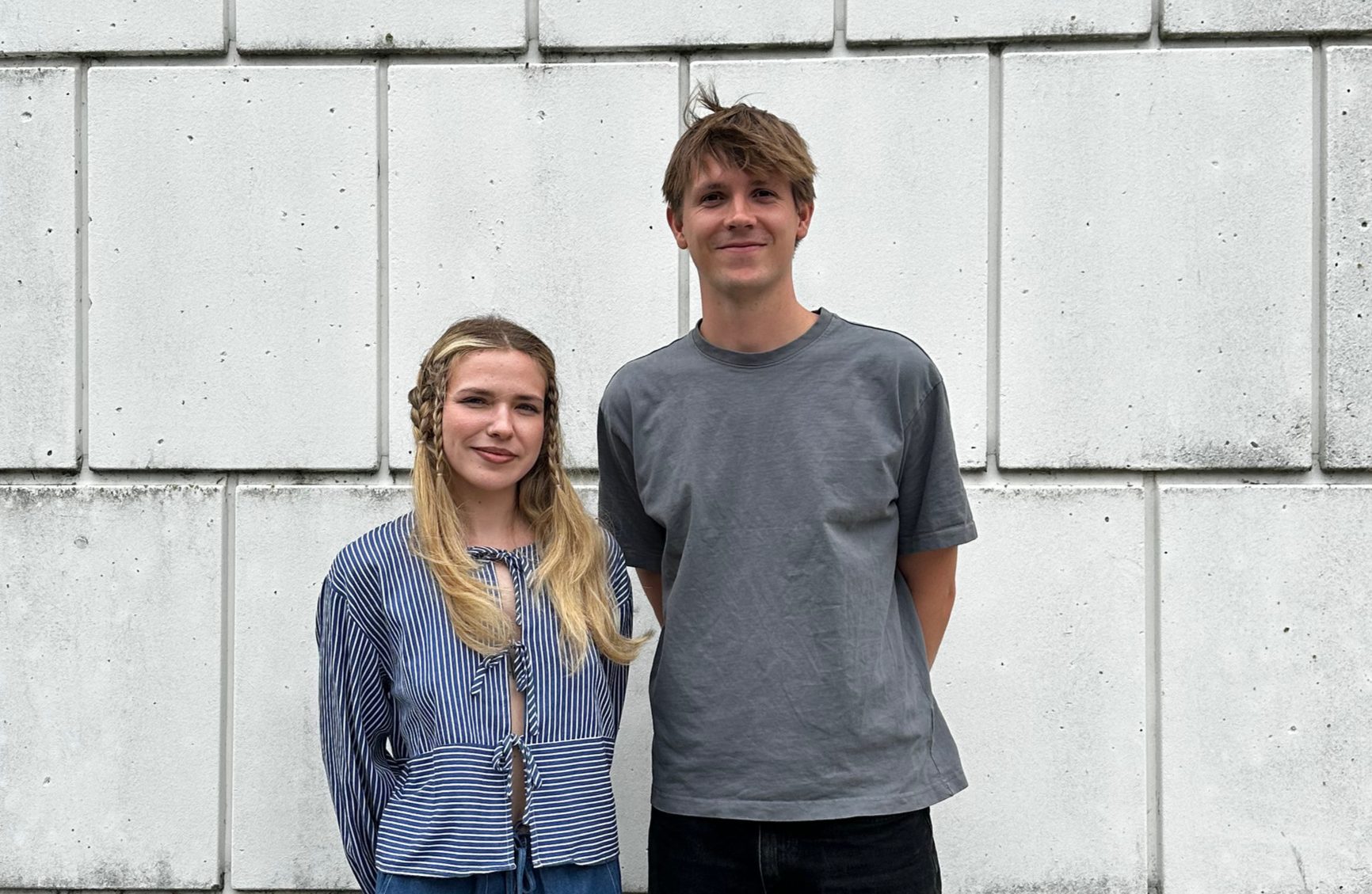
The Faculty of Health at Aarhus University will host NEXUS Research Academy, which will strengthen researchers in the years following their PhD and collaboration across the cardiometabolic research field. Photo: Andrea Lif Benediksdóttir, AU Foto.
Patients will be part of the community
NEXUS will not only connect researchers across the cardiometabolic research fields. The academy will also collaborate broadly with patient organisations and their members, professional societies, clinical communities and the life science industry.
Patient and public involvement will be a central part of NEXUS, and a Patient Public Forum will be established to contribute perspectives on the academy’s activities and priorities, among other things.
DDEA and DCA have laid the foundation for NEXUS
The Danish Diabetes and Endocrine Academy (DDEA) and Danish Cardiovascular Academy (DCA) have jointly developed the concept behind NEXUS and prepared the application.
For more than a decade, the two academies have built experience in talent development and national research communities within diabetes, metabolism and endocrinology, and cardiovascular research, respectively.
One significant difference is that DDEA and DCA have, among other things, had a strong focus on researchers at PhD level, whereas NEXUS will direct a substantial part of its efforts towards the post-PhD career stage.
NEXUS builds on the experience, expertise and networks of the two academies, while taking them forward in a new and broader national initiative encompassing the entire cardiometabolic research field.
“We are very grateful that the Novo Nordisk Foundation has chosen to make such a significant investment in NEXUS. I believe it is visionary to support younger researchers at the beginning of their research careers while also supporting research across major disease groups. We are very much looking forward to getting started,” says Anne-Mette Hvas.
“NEXUS reflects a growing recognition that cardiometabolic diseases are best understood and addressed as interconnected conditions rather than as isolated diseases. By creating an environment where talented early-career researchers can meet and establish collaborations across disease areas and research disciplines, we hope NEXUS can help generate new knowledge that benefits people living with – or at risk of developing – cardiometabolic diseases,” says Rasmus Borgquist, Director at Health, Novo Nordisk Foundation.
NEXUS launches in 2027
Work to establish NEXUS is now getting underway. The next steps include recruiting a director and planning the first courses, academic meetings and activities aimed at strengthening academic communities. At the same time, other stakeholders have expressed interest in becoming co-financing partners in NEXUS, and discussions are underway regarding additional support for the academy’s activities.
NEXUS will open its first call for postdoctoral grants in 2027.
Odense University Hospital
Kløvervænget 6
Entrance 93, 8th floor
DK-5000 Odense C
+45 2964 6764
ouh.ddea@rsyd.dk
We use cookies on our website to give you the most relevant experience by remembering your preferences and repeat visits. By clicking “Accept all”, you consent to the use of all cookies. However you may visit Cookie Settings to provide a controlled consent. Cookie settings
This website uses cookies to improve your experience while you navigate through the website. Out of these cookies, the cookies that are categorized as necessary are stored on your browser as they are essential for the working of basic functionalities of the website. We also use third-party cookies that help us analyze and understand how you use this website. These cookies will be stored in your browser only with your consent. You also have the option to opt-out of these cookies. But opting out of some of these cookies may have an effect on your browsing experience.
Necessary cookies are absolutely essential for the website to function properly. These cookies ensure basic functionalities and security features of the website, anonymously.
Cookie
Duration
Description
cookielawinfo-checkbox-analytics
11 months
This cookie is set by GDPR Cookie Consent plugin. The cookie is used to store the user consent for the cookies in the category "Analytics".
cookielawinfo-checkbox-analytics
11 months
This cookie is set by GDPR Cookie Consent plugin. The cookie is used to store the user consent for the cookies in the category "Analytics".
cookielawinfo-checkbox-functional
11 months
The cookie is set by GDPR cookie consent to record the user consent for the cookies in the category "Functional".
cookielawinfo-checkbox-necessary
11 months
This cookie is set by GDPR Cookie Consent plugin. The cookies is used to store the user consent for the cookies in the category "Necessary".
cookielawinfo-checkbox-others
11 months
This cookie is set by GDPR Cookie Consent plugin. The cookie is used to store the user consent for the cookies in the category "Other.
cookielawinfo-checkbox-performance
11 months
This cookie is set by GDPR Cookie Consent plugin. The cookie is used to store the user consent for the cookies in the category "Performance".
viewed_cookie_policy
11 months
The cookie is set by the GDPR Cookie Consent plugin and is used to store whether or not user has consented to the use of cookies. It does not store any personal data.
Functional cookies help to perform certain functionalities like sharing the content of the website on social media platforms, collect feedbacks, and other third-party features.
Performance cookies are used to understand and analyze the key performance indexes of the website which helps in delivering a better user experience for the visitors.
Analytical cookies are used to understand how visitors interact with the website. These cookies help provide information on metrics the number of visitors, bounce rate, traffic source, etc.
Advertisement cookies are used to provide visitors with relevant ads and marketing campaigns. These cookies track visitors across websites and collect information to provide customized ads.