
A New Generation of Research Leaders Takes Shape
Danish Diabetes and Endocrine Academy (DDEA) is allocating DKK 36.8 million in 39 new research projects, including 17 PhD scholarships, 15 p...
Posted on December 4, 2025

Rasmus Kjøbsted’s research, which includes a study on a subgroup of the Greenlandic Inuit population, highlights the importance of exercise and personalised approaches in preventing and managing type 2 diabetes.
Diabetes is a complex condition, involving intricate biological processes that influence how well our muscles respond to insulin. It is vital to have competent researchers unlock our understanding of these processes – and Rasmus Kjøbsted is one such researcher.
In his research, Associate Professor Rasmus Kjøbsted has explored the mechanisms of TBC1D4, a key protein in muscle insulin sensitivity. Formerly the recipient of a postdoc grant from the Danish Diabetes Academy (DDA, now DDEA), Rasmus Kjøbsted’s research has been breaking new ground in understanding how exercise and genetic factors impact diabetes risk and management.
The latest addition to the series of articles on this topic came with the recent publication in Nature Metabolism, titled ‘Skeletal muscle from TBC1D4 p.Arg684Ter variant carriers is severely insulin resistant but exhibits normal metabolic responses during exercise’.

Rasmus Kjøbsted is an Associate Professor at the Department of Nutrition, Exercise and Sports at the University of Copenhagen. During his postdoc, Rasmus Kjøbsted had 3 articles on the subject of TBC1D4 in muscle insulin sensitisation published in Diabetes, two as first author and one as last author:
Rasmus Kjøbsted initially did studies with mice, discovering that exercise modifies the TBC1D4 protein in a way that enables insulin to better facilitate glucose uptake in muscles.
“We discovered that a single bout of exercise enhances insulin’s ability to help muscles take up glucose via TBC1D4, a key factor in controlling blood sugar levels,” Rasmus Kjøbsted explains.
These findings laid the groundwork for investigating how TBC1D4 might function similarly in humans – and how impairments in this protein could affect the insulin response and diabetes risk.
Recently published in Nature Metabolism, Rasmus Kjøbsted and his team colleagues’ next study focused on a unique subgroup within the Greenlandic Inuit population, who carry a genetic mutation that prevents them from producing TBC1D4 in their skeletal muscle.
“Years before we generated the genetically altered TBC1D4 mice, we were aware of this genetic mutation in the unique subgroup of people within the Greenlandic Inuit population. These individuals experience severe glucose intolerance and are ten times more likely to develop type 2 diabetes,” Rasmus notes. “Based on the extensive work in different animal models lacking TBC1D4, we hypothesised that the absence of this protein in the skeletal muscle could be driving the glucose intolerance and elevated diabetes risk.”
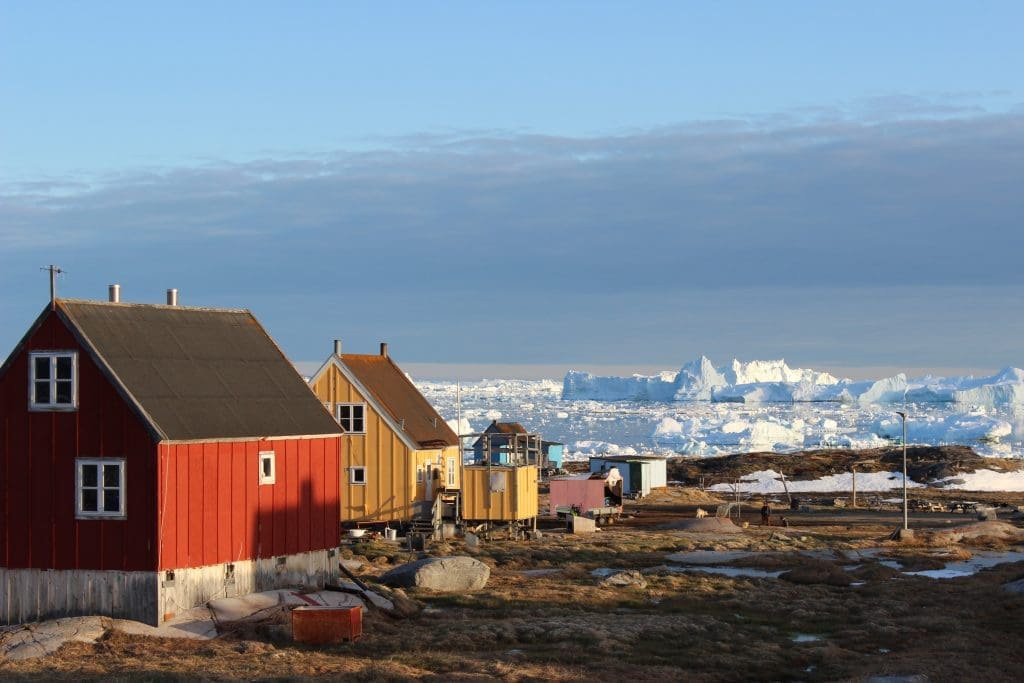
In collaboration with institutions such as the Steno Diabetes Centres in Copenhagen and Greenland, the National Institute of Public Health at SDU, and the University of Sydney, Rasmus Kjøbsted and his colleagues conducted in-depth phenotyping and extensive genetic screenings to test this hypothesis.
The study supported the connection, revealing that the TBC1D4 mutation severely impaired muscle glucose uptake in response to insulin.
“Since insulin becomes worse at stimulating your muscles to take up glucose when you are physically inactive, this finding highlights the importance of regular physical activity to manage blood sugar levels and reduce type 2 diabetes risk,” says Rasmus Kjøbsted.
Conducting advanced metabolic and genetic testing in both Denmark and Greenland required a unique combination of advanced methods and collaboration. Participants first underwent a simple oral glucose tolerance test in Greenland, followed by in-depth assessments at a Danish research facility.
“We used methods like leg catheterisation, muscle and fat biopsies, exercise tests, and a hyperinsulinemic-euglycemic clamp, which is widely regarded as the gold standard for assessing how well the body and muscles respond to insulin,” Rasmus Kjøbsted says.
These analyses included proteomics to study protein profiles, RNA sequencing to explore gene expression, and mitochondrial respiration assays to understand the broader metabolic impact of the TBC1D4 mutation.

Alongside these methods, Rasmus Kjøbsted credits the leadership, mentorship, and dedication of his colleagues, especially Professors Torben Hansen, Marit E. Jørgensen, Jørgen Wojtaszewski.
“Their leadership was crucial in securing funding for the project and identifying the Inuit carriers of the TBC1D4 mutation through years of population surveys and in-depth phenotyping,” says Rasmus Kjøbsted and makes sure to also highlight the contributions of Dr. Jonas M. Kristensen: “His persistence in overcoming numerous challenges was instrumental to the project’s success, and I’m grateful to have joined him on this, sometimes bumpy, journey.”
Rasmus Kjøbsted aims to pave the way for more personalised approaches to diabetes prevention and treatment, tailored to the unique needs of people with specific genetic predispositions, such as parts of the Greenlandic Inuit population.
“Our research highlights the potential of lifestyle guidance over medication for the prevention and treatment of type 2 diabetes among Greenlandic Inuit carriers of the TBC1D4 mutation. These findings could inform clinical guidelines tailored to this subgroup of Greenlandic individuals struggling with glycemic control in their daily life,” he explains.
Rasmus Kjøbsted hopes that his research underscores the importance of bridging preclinical research with human studies to inspire further advancements in science.
“I believe that bridging the gap between preclinical studies and translational research is critical, and I am confident that those who accomplish this will be much more successful in their academic career,” Rasmus Kjøbsted says.
For Rasmus Kjøbsted, what especially drives his work is his curiosity.
“I have always been fascinated by the world that surrounds us – from the smallest molecules that are essential to life to the black holes of the universe where time itself slows down,” Rasmus Kjøbsted says. “This curiosity has driven my passion for research, and it has taught me that basic science is invaluable even though we often do not know when new insights will become relevant or change lives.”
Looking ahead, Rasmus Kjøbsted aims to explore the potential of developing a kind of “exercise pill” – a muscle-targeted therapy that mimics some of the health benefits of physical activity. This therapy could potentially treat obesity, elevated blood sugar, muscle wasting, and even conditions like sarcopenia and muscular dystrophies.
“Recognizing how much there is yet to uncover, I am driven by the hope that my research will contribute to meaningful change, improving lives, and addressing critical health challenges in the years to come,” Rasmus Kjøbsted concludes.
Rasmus Kjøbsted
Associate Professor, the Department of Nutrition, Exercise and Sports, University of Copenhagen
rasmus.kjobsted@nexs.ku.dk




EAN: 5798 0022 30642
Reference: 1025 0006
CVR: 29 19 09 09


