
Ultra-processed Foods: Beyond Calories, Fat and Sugar
Ultra-processed foods are linked to obesity, type 2 diabetes and cardiovascular disease – but what are they actually doing to the body? Ult...
Posted on March 24, 2026

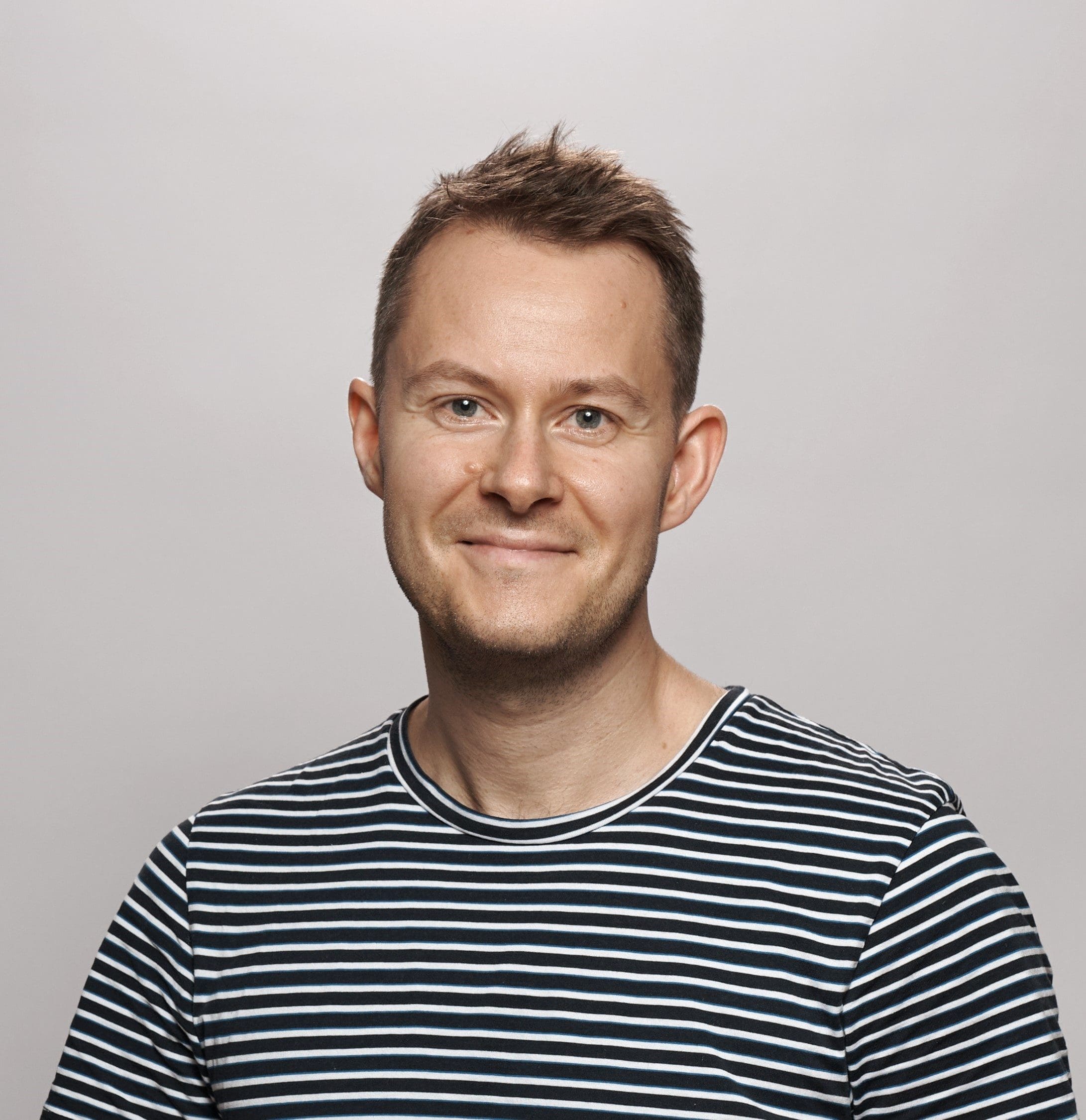
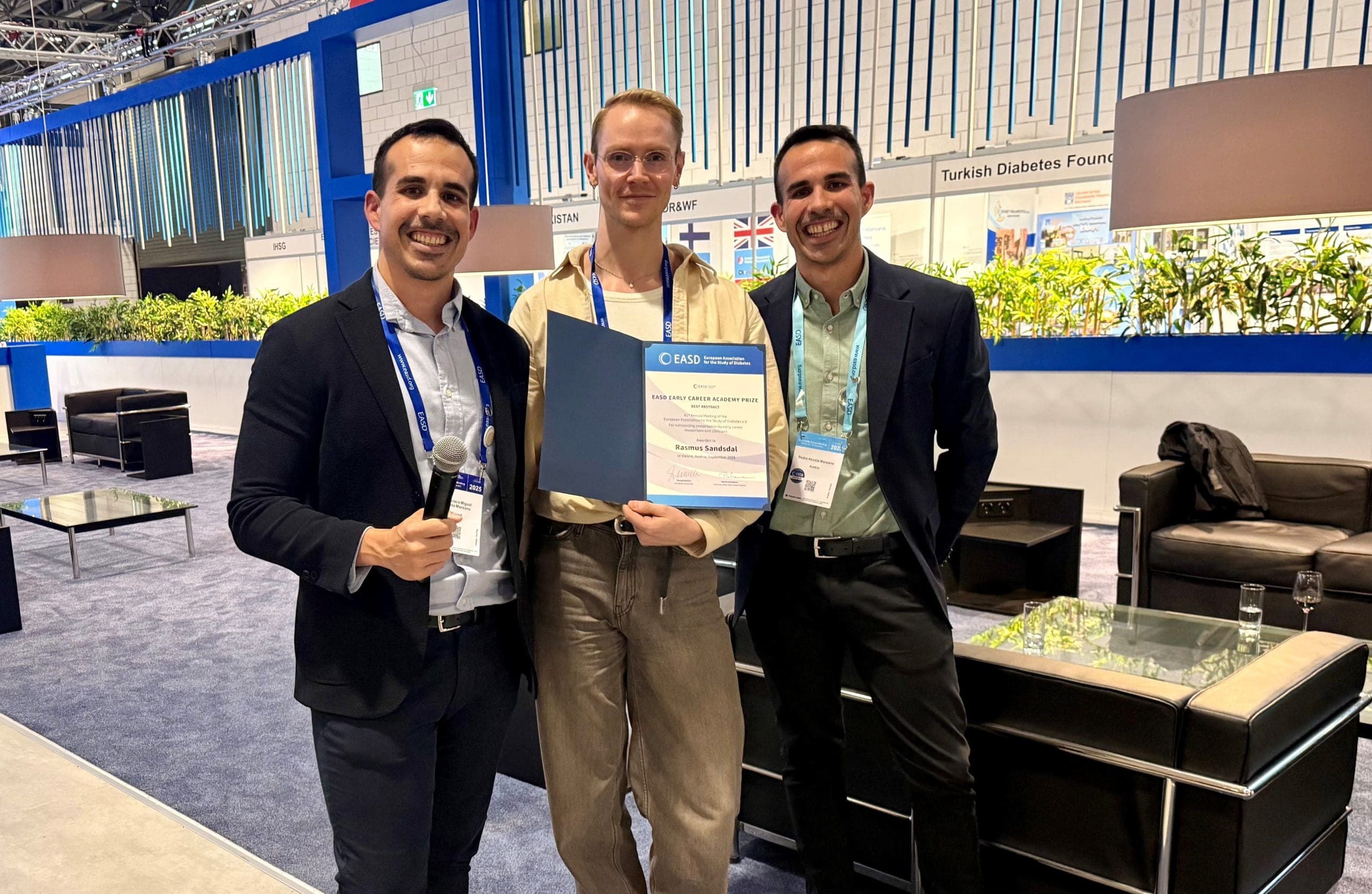
At this year’s DDEA Annual Day, the two DDEA Early-Career Researcher Awards were awarded to Nikolaj Rittig and Eva Maria Wölfel. The DDEA Research Education and Networking Award was awarded to Christopher Lewis. Read more about the three award winners and their research below.
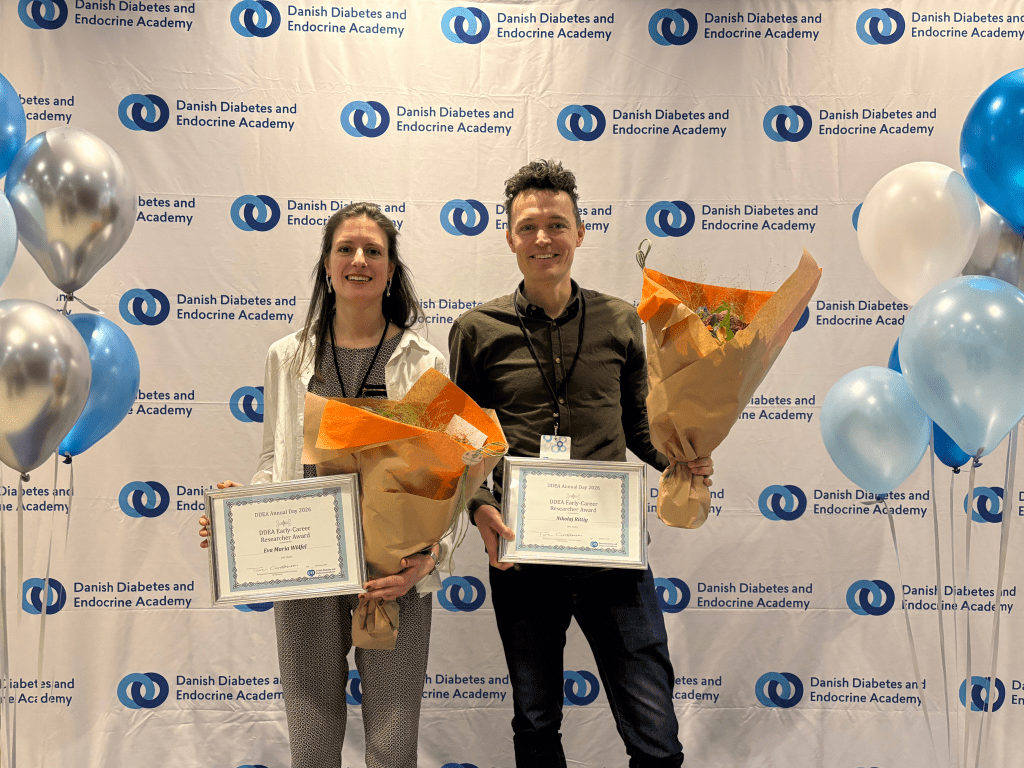
I study the gut and how it talks to the rest of the body. Most people think of the gut as something that just digests food, but it actually does much more than that. It is the first part of the body that meets what we eat, drink, or take as medicine, and even the bacteria we carry with us.
The gut works a bit like an early warning system. It sends messages to other organs that help the body decide how to use and store energy. I believe that many metabolic and hormone-related diseases may start in the gut. If that is true, the gut could also be a good place to prevent or treat these diseases.
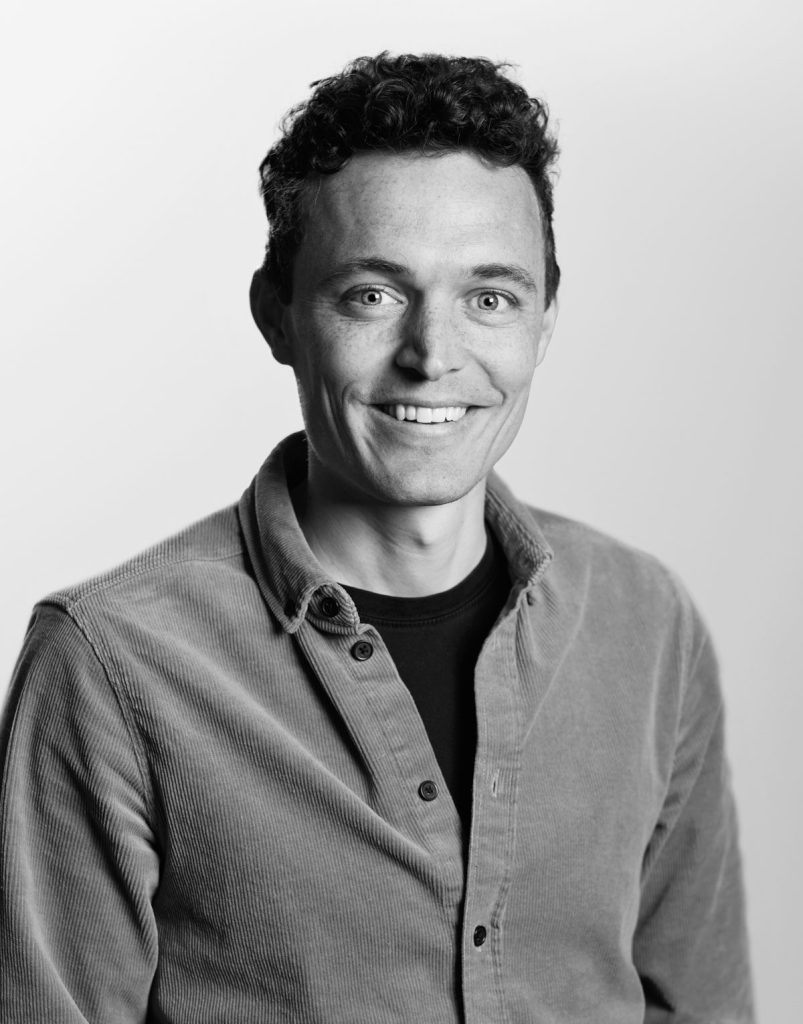
On a personal level, it means a great deal. Research takes a lot of time and patience, and you often don’t know if you are on the right path. This award is very encouraging and motivating. Professionally, it shows that others see value in my work. It gives my research more visibility and gives me confidence to keep developing my ideas.
My interest grew slowly during my studies and early research projects. I became more and more curious about how the body controls metabolism and how different organs work together.
A turning point was when I started noticing that many of my research results pointed back to the gut. It became clear that the gut is not just about digestion, but an active organ that affects the whole body. That realization really shaped what I work on today.
One of the most exciting things has been seeing how signals from the gut can change how other organs behave. I have found it especially fascinating how nutrients and bioactive compounds stimulate specific receptors and produce diverse effects on metabolism and overall health. It shows how closely connected the body is, and how small changes in one place can have big effects elsewhere.
By understanding how the gut influences metabolism, we may find new ways to help the body regulate blood sugar and energy balance. In the long run, this could lead to better and more precise treatments – and maybe even ways to prevent disease before it develops.
Research rarely goes exactly as planned. Experiments can fail, and progress can be slow. One of my biggest challenges has been designing good studies – for example choosing the right comparison or placebo, making sure studies are properly blinded, and ensuring that the intervention itself (such as dose or taste) works in a real trial setting.
These details may sound small, but they are crucial for how reliable and meaningful the results are. That is why I spend a lot of time thinking about study design and discussing it with my students and colleagues. It is rarely a black-and-white decision. Often, it is about finding the best possible compromise while keeping a clear focus on the main research question.
I have been very lucky to work with mentors who are both excellent scientists and very supportive people. They all approach research differently, and that has allowed me to learn what kind of researcher and leader I want to be.
Mentors such as Niels Møller, Niels Jessen, and Esben Søndergaard from Aarhus University Hospital have played a big role in my development. I am also very grateful to Daniel J. Drucker from Mount Sinai Hospital in Toronto, who taught me the importance of doing careful, reliable research and of connecting findings from animals to humans. That he nominated me for this award means a great deal to me and is a huge motivation to keep working hard.
Awards like this show early-career researchers that their work matters. They provide encouragement, motivation, and confidence to keep pushing new and ambitious ideas forward.
The DDEA supports young researchers by providing funding, training, mentoring, and strong networks. It brings people together across different institutions and research areas, which helps create new ideas and collaborations.
In the future, I want to continue exploring how the gut affects metabolism and disease, and how this knowledge can be turned into real health benefits.
This award gives me motivation and visibility, and it will help me build collaborations and attract funding. There is still so much we don’t understand about the gut, and I hope to help answer some of those questions in the years to come.
My research focuses on characterising and understanding bone matrix properties in ageing and disease, particularly in patients with diabetes mellitus, and the molecular determinants that drive these changes. When assessing fracture risk, bone-related parameters are often limited to bone mass. However, bone is a hierarchically structured material, with individual structures at micro- and nano-length scales contributing to the overall bone strength. These contributors, beyond bone mass, are termed bone quality and are often overlooked when assessing bone health.
I have characterised bone quality in patients with type 2 diabetes mellitus, a disease associated with increased fracture risk despite normal bone mass, and have explored the underlying molecular mechanisms by studying microRNA profiles in clinical samples from patients with type 2 diabetes. With my research, I aim to highlight impaired bone quality as a relevant contributor to fracture risk in ageing and disease and to explore new avenues to integrate bone quality into clinically applicable measures.
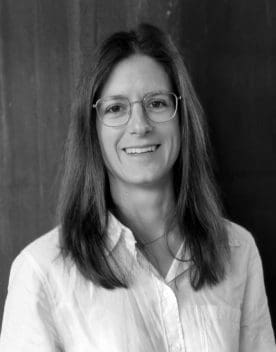
Winning the DDEA Early-Career Researcher Award is an enormous recognition of my work, and I am extremely proud to have been selected for this award. The recognition of my work is of major importance to me, especially during the crucial career phase of establishing myself as an independent principal investigator. It strongly encourages me to continue along this path.
Personally, it acknowledges my motivation and dedication to my research, which cannot be delineated from my personal life. Professionally, it reflects the meaningfulness of my research and that my contribution is seen and acknowledged – something that is of high relevance to me and has been achieved through many meaningful collaborative efforts.
During my studies, I realised my strong fascination with bone tissue, which led me to dedicate my research career to this exceptional tissue. Bone is a unique tissue due to its metabolic activity, yet rigid mineralised extracellular matrix, and its function as an endocrine organ. Studying bone tissue requires a special set of techniques to unravel mechanisms sometimes buried deep inside the bone matrix.
I was fortunate to learn and apply a variety of these techniques during my career, which is grounded in my highly interdisciplinary studies and background in biomedical engineering. Ever since, my fascination for this complex yet multifunctional tissue has continued to fuel my motivation.
I have shown that in some, but not all, patients with type 2 diabetes, a high cortical porosity – that is, more pores and less bone volume in the cortical bone compartment – contributes to an increased risk of fractures. Additionally, I showed that in diabetes mellitus, the collagenous matrix is impaired through interactions between glucose and collagen type I protein in bone, leading to a different response of the collagen compartment of bone tissue to mechanical loading, irrespective of microstructure.
These findings have contributed to the understanding of tissue-level changes in diabetic bone fragility from micro- to nano-scale and highlight the importance of individual bone quality profiles in fracture risk assessment. Furthermore, I am identifying bone- and fracture-associated microRNA profiles in type 2 diabetes, thereby advancing my findings by adding insight into the molecular mechanisms of diabetic bone fragility.
Diabetes and endocrine disorders affect many organs, including the bone. While often overlooked, the musculoskeletal system is of pivotal importance throughout our lives, particularly as we age. In patients with diabetes and endocrine disorders, impaired bone matrix quality – that is, parameters beyond bone mass – contributes to increased fracture risk and adds to the holistic picture of bone health.
Understanding the mechanisms that lower bone strength allows us to develop improved diagnostic tools and treatment options focusing on bone quality rather than bone mass, thereby benefiting people affected by diabetes and endocrine disorders.
My career path has been strongly influenced by researchers and clinicians who have crossed or travelled along my path. I believe there is something to learn and be inspired by from every encounter. Here in Denmark, my greatest mentors are Professors Moustapha Kassem, Morten Frost, and Alexander Rauch, who are tremendously supportive of my research, professional development, and personal growth.
The curiosity, openness, and eagerness of students fuel my motivation and are among the strongest drivers of my research efforts. I experience their dedication and growth as fulfilling and inspiring. Passing on my knowledge to others is an essential core element of academia for me.
Awards like this are important for the research community, as they raise awareness of research activities and support research careers early on. Receiving the award is highly motivating and rewarding. It also inspires other researchers and provides a foundation for new, perhaps unforeseen, collaborative avenues.
The DDEA provides support for early-career researchers at a career stage in which independent research funding is often scarce, for example through its unique fellowship opportunities. Furthermore, DDEA provides and maintains a unique platform for networking and interaction between early-career scientists, allowing for strong research collaborations.
This is achieved through excellent courses that not only provide relevant skills in science, management, and leadership, but also strongly focus on networking and connecting researchers in an interdisciplinary and cross-institutional manner. Together with other early-career researchers, and with full support from DDEA, we created a peer mentoring group that originated in a DDEA course. Through this group, I have both received and provided support over the last year in an exceptional setting, adding a unique support environment to my career.
The financial support from DDEA is crucial, as personal funding can be limited for early-career researchers, and the free courses offered by DDEA allow us to take these opportunities, connect beyond our own disciplines, and create a strong foundation for our future research careers.
Thank you. This recognition means a great deal to me, especially as the award comes from an organisation and people whom I admire and have the utmost respect for. Furthermore, being nominated for the award by my dear friends and colleagues, Morten and Beatrice, is truly humbling.

I have worked on educational and networking initiatives for early-career researchers since I was a PhD student in Scotland. While I have been fortunate to be supervised and managed in a positive way throughout my academic career, it became clear very early on that many of the PhD students and postdocs around me did not have the same experience. The horror stories were everywhere.
Despite being highly qualified, postdocs often exist in a grey area in academia, frequently treated as cheap labour and teaching substitutes, with dwindling opportunities to advance. Job security is low, and rates of stress and depression are high. The clear need for change in this area was the motivation behind the work I have done. I feel extremely fortunate that DDEA has provided a platform and support to work towards creating this change together with my peers.
The majority of my work with the DDEA has focused on educational initiatives for postdoctoral scientists. This has ranged from organising the flagship annual Postdoc Summit event to hosting podcast episodes on how early-career researchers can maximise the impact of the work they are performing. I also now sit on the DDEA education committee.
There are many. During my time working with the Postdoc Summit, we would set a challenge for participants, usually aimed at creating new initiatives that could benefit those working in academia. Listening to these new ideas and discussing them together was always a highlight of the event and a great source of inspiration.
In general, there is little motivation for academic institutions to change how they approach their employees working as PhD students or postdocs. Luckily, the DDEA has provided a platform for postdocs to come together, create support groups, and discuss potential positive changes collectively.
The DDEA provides an essential service to the research ecosystem in Denmark. Denmark excels in metabolic research, and having a dedicated academy within this discipline is crucial to ensure this continues for years to come. The DDEA supports local researchers, attracts talented and highly skilled academics to Denmark, and facilitates the creation of strategic partnerships within the cardiometabolic field.
In particular, the dedicated support for postdocs — both funding and education and networking opportunities — is an extremely unique feature of the academy. While most countries have funding bodies for PhD students, the support for postdocs provided by the DDEA is what truly makes it special. At a time when talented researchers from across the world are seeking countries with strong and independent research infrastructures, the continuation of this support is essential.
I feel fortunate that I have had the time and opportunity in my career to engage in educational activities beyond my own research, and it is important to recognise that many early-career researchers do not have such opportunities. My work with the DDEA has undoubtedly been a career highlight for me.
Being able to bring together young researchers and work towards improving our working conditions with tangible outcomes has been incredibly rewarding. Beyond that, the skills I have gained from these experiences are essential to my everyday work and have greatly enhanced my career. I would encourage anyone with the opportunity to engage with the DDEA to do so, and it is inspiring to see how many people already are. I believe that early-career researchers will continue to strengthen education and networking in diabetes and endocrinology with innovative new ideas well into the future.
Learn more about DDEA’s Awards here: DDEA Awards | Danish Diabetes and Endocrine Academy





EAN: 5798 0022 30642
Reference: 1025 0006
CVR: 29 19 09 09


